
NFL Home Field Advantage in Betting: Is It Still Worth Backing the Home Team?
 Available in US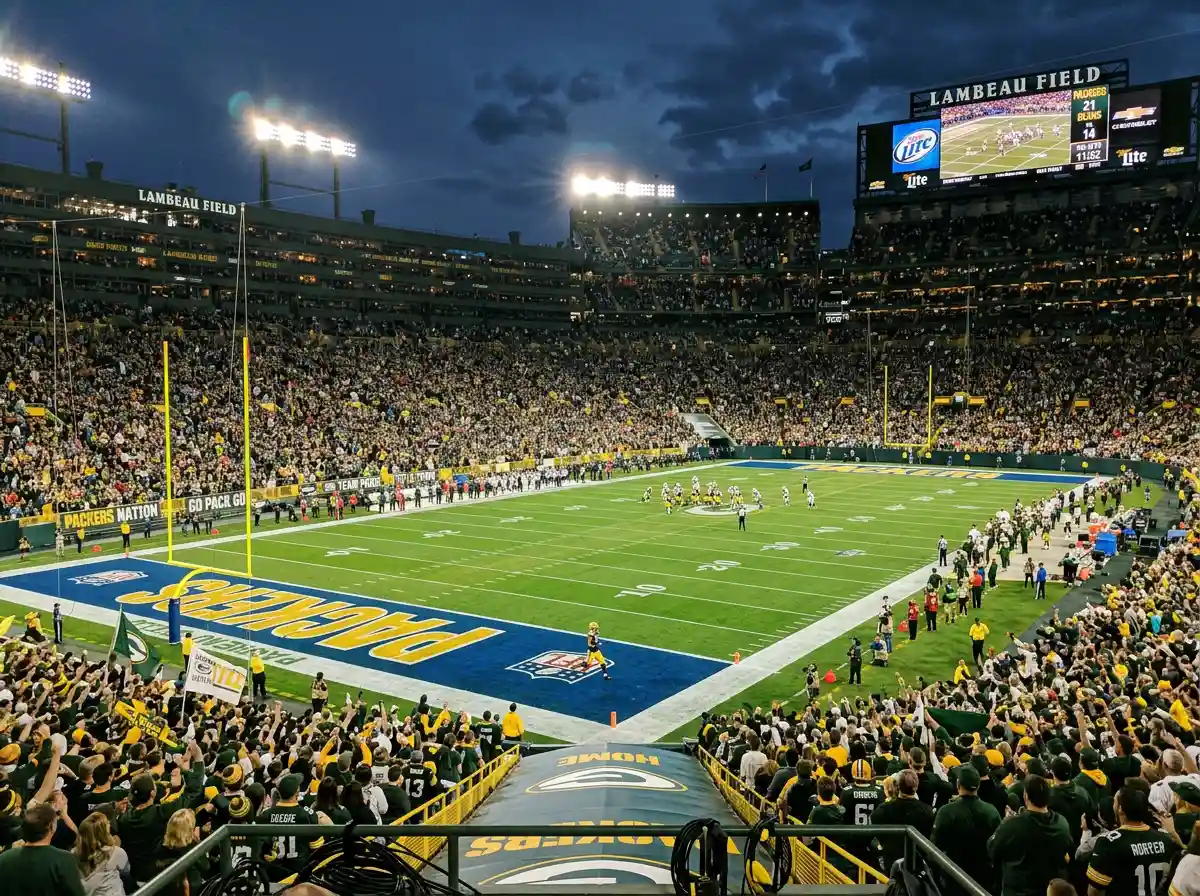
I backed road teams almost exclusively for three consecutive NFL seasons between 2020 and 2022, and it was one of the most profitable stretches of my betting career. The pandemic-era empty stadiums in 2020 obliterated home-field advantage overnight, and even as crowds returned in 2021 and 2022, the historical edge of playing at home never fully recovered. The experience forced me to question an assumption I had held since I started betting: that home teams deserve a built-in advantage in any NFL spread.
Home-field advantage in the NFL is declining, and the decline is not a blip — it is a structural trend driven by changes in travel, preparation, officiating, and the sport itself. For UK punters, who do not carry the instinctive bias of American fans toward their local stadium, this trend is particularly valuable. You are already more likely to evaluate NFL games on neutral analytical grounds rather than emotional attachment to a home venue. Understanding the data behind the decline, and knowing where residual home-field advantage still exists, gives you a cleaner edge than most of your competition.
Declining Home Field Advantage: What the Numbers Show
The historical home-field advantage in the NFL was substantial. Through the 1990s and 2000s, home teams won approximately 57% of regular season games. The standard line adjustment for home-field advantage was roughly three points — if two evenly matched teams played, the home team would be a three-point favourite.
That number has eroded steadily. In recent seasons, the home winning percentage has dropped to approximately 52-53%, barely above a coin flip. The three-point home-field adjustment that sportsbooks historically baked into their lines has compressed to somewhere between 1 and 2.5 points, depending on the operator and the specific matchup. Some analysts argue the true advantage is now closer to one point for most venues.
The COVID-19 season in 2020 provided a natural experiment. With stadiums empty or severely restricted, the home winning percentage dropped below 50% for the first time in NFL history. Road teams actually won more often than home teams, demonstrating that crowd noise was a significant — though not the only — driver of the historical advantage. When crowds returned in 2021, home-field advantage recovered partially but settled at a lower level than pre-pandemic norms.
The NFL’s 39 regular season games in the United Kingdom since 2007 provide additional data on the neutral-venue question. London games have no true home team — both sides travel internationally, both play in an unfamiliar stadium, and neither enjoys a genuine home crowd. The results from London games have shown no consistent advantage for the designated home team, which reinforces the broader trend: remove the crowd and the familiar environment, and the home-field effect largely disappears.
What Actually Drives Home Field Advantage in the NFL
Understanding why home-field advantage is declining requires understanding what created it in the first place. The historical advantage came from several sources, and each has weakened at a different rate.
Crowd noise was the most visible factor. A loud home crowd disrupts the visiting offence’s snap count and audible calls, forcing them to use silent counts and simplified communication. This effect is real and measurable at the loudest venues — Seattle’s Lumen Field, Kansas City’s Arrowhead Stadium, and New Orleans’ Superdome consistently generate crowd noise levels that affect visiting offensive performance. But the effect varies enormously by stadium. A half-empty late-season game in Jacksonville generates minimal crowd noise advantage, while a divisional playoff game in Kansas City generates maximum advantage. The blanket three-point adjustment never accurately captured this variance.
Travel fatigue has diminished as a factor. Modern NFL teams travel on chartered flights with medical staff, nutritionists, and sleep specialists. Teams visiting opposite-coast venues routinely fly in a day early. The physical toll of travel is a fraction of what it was decades ago, and the equalisation of travel conditions has narrowed the gap between home and road performance.
The altitude advantage at Denver remains the one venue-specific factor that has not declined. Empower Field sits at 5,280 feet above sea level, and visiting teams consistently underperform there relative to their season-long averages. The thin air affects conditioning — visiting players tire faster in the fourth quarter — and the ball travels differently through the less dense atmosphere, affecting kicking and deep passing. Denver’s home-field advantage remains measurably higher than the league average, and it is one of the few stadium-specific adjustments that still deserves a meaningful weight in your handicapping.
Weather familiarity drives a residual advantage at outdoor cold-weather venues. Teams accustomed to playing in freezing conditions at home have a genuine edge over dome teams and warm-weather visitors. This advantage is seasonal — it barely exists in September but becomes significant from November onward — and it is venue-specific rather than universal.
Adjusting Your NFL Bets for Home Field: A Practical Guide
The practical implication is that a blanket home-field adjustment is no longer appropriate. You need a tiered approach that accounts for venue, opponent, and time of season.
For most NFL games in climate-controlled stadiums or mild-weather outdoor venues, the home-field adjustment should be minimal — one to one and a half points at most. If the sportsbook line implies a larger home-field premium than that, the road side may offer value. This is particularly true for big-market home teams like the Cowboys or Giants, where public money disproportionately backs the home side and inflates the line beyond what the analytical case supports.
For cold-weather outdoor venues from November onward — Green Bay, Chicago, Buffalo, New England, Pittsburgh — the home-field adjustment should be larger, particularly when the visiting team comes from a dome or warm-weather city. In these spots, the residual advantage is real and may even exceed the historical three-point average that applied to the league as a whole.
For London games and other international fixtures, the home-field adjustment should be zero. Both teams travel internationally, neither has a stadium advantage, and the crowd is neutral. If you see a London game line that appears to price in a significant home-field advantage for the designated home team, the road side is almost certainly the value play.
One marker of the sport’s growing British enthusiasm is the geographic spread of interest. Research has highlighted a “remarkable surge in British enthusiasm for American football,” with cities like Croydon, Newcastle, and Manchester showing disproportionate search activity. That growing, digitally engaged fan culture is producing more informed UK bettors who analyse games on merit rather than defaulting to home-team assumptions — which is exactly the approach the declining home-field data supports.
Home Field Advantage Betting: Quick Answers
Home-field advantage is not dead in the NFL, but it is a shadow of what it was twenty years ago. The punters who still apply a blanket three-point adjustment to every game are giving away value on road teams, particularly in dome games and mild-weather venues. The punters who differentiate by venue, by opponent, and by time of season are finding edges that the flat-adjustment crowd misses. Be the second group.
How many points is home field advantage worth in the NFL?
The historical NFL home-field advantage of approximately three points has declined to roughly one to two points for most venues in recent seasons. The advantage varies significantly by stadium: loud, cold-weather outdoor venues like Green Bay and Buffalo retain a larger advantage, while dome stadiums and warm-weather venues show a smaller effect. Denver’s altitude provides a unique venue-specific advantage that remains higher than the league average. A blanket adjustment is less accurate than a venue-specific approach.
Do NFL London games eliminate home field advantage?
Effectively, yes. In NFL London games, both teams travel internationally, neither plays in their home stadium, and the crowd is neutral. Historical results from the 39 regular season games played in the UK since 2007 show no consistent advantage for the designated home team. If a sportsbook line appears to include a significant home-field premium for the designated home team in a London fixture, the road side is likely to offer value.
This material was created by the UK NFL Betting Analysis team.
Related posts

NFL Cryptocurrency Betting in the UK: Current Status and Regulatory Outlook

NFL Betting Mistakes That UK Punters Make — and How to Fix Them