Regulatory Compliance Boundaries and Maximum Transaction Caps
 Available in US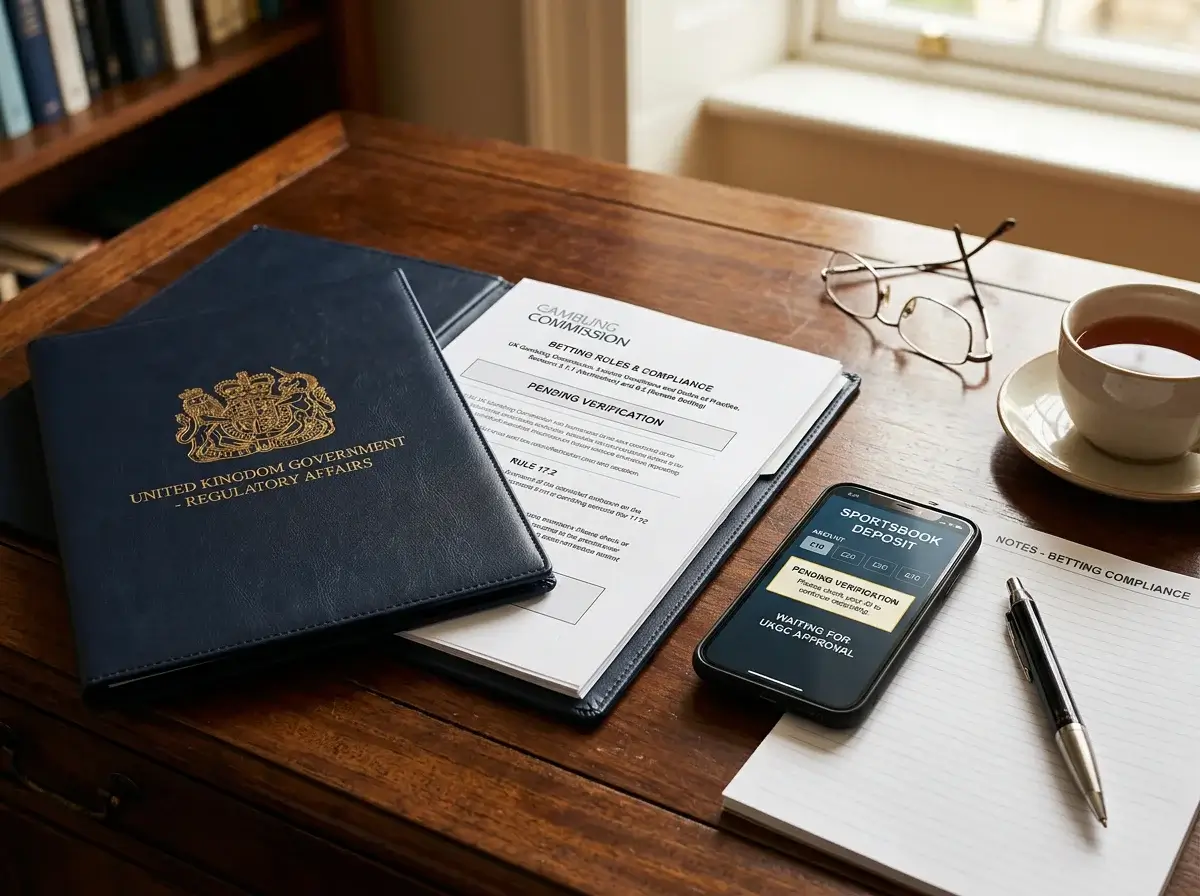
I spent thirty minutes on the phone with a sportsbook’s compliance team in March 2025, uploading bank statements and answering questions about my employment, because my net deposits had crossed a threshold I did not know existed. My NFL futures portfolio was frozen while the review was processed. The experience was jarring — not because the checks were unreasonable, but because nobody had warned me they were coming. That conversation, and the frustration it generated, is now a routine part of the UK sports betting experience.
The UK Gambling Commission has implemented a series of regulatory reforms between 2025 and 2026 that fundamentally change how British punters interact with sportsbooks. These rules were not designed with NFL betting specifically in mind, but they affect it directly — from the amount you can deposit without triggering enhanced checks to the way sportsbooks price their markets. Understanding the regulatory landscape is not optional for serious NFL bettors; it is a prerequisite for managing your accounts efficiently and avoiding unnecessary disruption to your wagering activity.
Affordability Checks: How the 150-Pound Threshold Works
Since 28 February 2025, all UK-licensed operators have been required to conduct financial vulnerability checks when a customer’s net deposits reach 150 pounds within any rolling 30-day period. Net deposits means the total amount deposited minus any withdrawals — so if you deposit 200 pounds and withdraw 60 pounds, your net deposit is 140 pounds and you have not yet triggered the threshold.
Once you cross the 150-pound mark, the operator must assess whether your gambling activity is financially sustainable. The initial check is usually automated — a soft credit search or a comparison of your spending against publicly available income data. If the automated check flags a concern, or if your deposits continue to rise, the operator escalates to enhanced due diligence: requests for payslips, bank statements, tax returns, or other evidence of income. During this process, your account activity may be restricted.
For NFL bettors, the timing of these checks creates specific friction. The NFL season starts in September, which is exactly when most punters are depositing their season bankroll and placing their futures bets. A bettor who deposits 200 pounds in early September to build a futures portfolio and fund their weekly betting will trigger the threshold almost immediately. If the enhanced check takes several days to resolve, they may miss early-season lines or see their pending bets frozen during the review.
The bettor sentiment around these checks is overwhelmingly negative. According to a 2026 survey of 1,238 active UK bettors, 58.6% believe that bonuses, odds, and promotions have worsened over the past year, and the affordability check framework is a significant contributor to that dissatisfaction. The checks are here to stay, though, and the practical response is to plan around them: deposit your season bankroll in stages, keep documentation ready for quick submission, and maintain accounts at multiple operators so that a review at one sportsbook does not shut down your entire NFL betting operation.
The Statutory Levy: What It Means for NFL Bettors
From April 2025, the UK replaced its system of voluntary operator contributions to gambling research and treatment with a mandatory statutory levy. Remote operators — which includes every online sportsbook offering NFL markets — now pay 1.1% of their gross gambling yield directly to fund responsible gambling initiatives. This is not a voluntary donation; it is a legal obligation enforced by the UKGC.
The levy replaced a patchwork system where operators chose how much to contribute, leading to inconsistent funding levels. The new mandatory framework guarantees a stable revenue stream for treatment and prevention services. From a public health perspective, it is a significant improvement. From a bettor’s perspective, the question is whether the cost gets passed through in the form of worse odds or reduced promotions.
The honest answer is: partially, yes. Sportsbooks operate on margins, and any increase in operating costs — whether from levies, taxes, or compliance — puts pressure on those margins. The 1.1% levy is not large enough to cause a dramatic shift in NFL odds, but it contributes to the broader cost environment that has already tightened promotional offers and widened margins on lower-liquidity markets. The Remote Gaming Duty increase from 21% to 40% on online casino products, effective April 2026, adds further pressure to operators’ overall profitability, even though it targets casino rather than sports betting directly. The combined regulatory burden makes it more expensive to operate a UK-licensed sportsbook, and some of that cost inevitably reaches the consumer.
Enforcement Against Unlicensed NFL Betting Operators
The UKGC’s enforcement arm has been notably active. During 2025-2026, the commission issued 741 cease-and-desist orders against unlicensed operators and reported approximately 398,000 illegal URLs to search engines for delisting. Andrew Rhodes, the outgoing UKGC chief executive, framed the regulatory direction in terms of partnership: he spoke of “shaping more positive partnerships with the industry” to “drive improvement” and “lift standards” with “much greater quality and transparency.”
For NFL bettors, the enforcement campaign matters because it defines the boundary between legitimate and illegitimate betting. An unlicensed offshore sportsbook might offer NFL markets without affordability checks, without the statutory levy embedded in its pricing, and with seemingly better odds. The trade-off is that you have zero regulatory protection. If the operator refuses to pay out a winning NFL bet, you have no recourse through the UKGC, no access to the Alternative Dispute Resolution process, and no guarantee that your funds are held in segregated accounts.
The 741 enforcement actions represent an acceleration of the UKGC’s approach to unlicensed activity. The commission is actively collaborating with search engines, payment processors, and internet service providers to restrict access to illegal operators. As a practical matter, UK punters who encounter an NFL betting site that seems too good to be true — no verification, no deposit limits, unusually generous odds — should check the UKGC register before depositing. The register is publicly accessible and takes thirty seconds to verify. That thirty seconds can save you from losing your entire bankroll to an operator who was never licensed to take your money in the first place.
UKGC Rules for NFL Betting: Quick Answers
The regulatory framework is not going to simplify any time soon. If anything, the direction of travel points toward more checks, higher levies, and stricter enforcement. The punters who adapt — by maintaining multiple accounts, keeping documentation ready, and using only licensed operators — will navigate the system with minimal disruption. Those who ignore it will find their NFL betting experience increasingly frustrating.
Will I face affordability checks when betting on the NFL?
Yes, if your net deposits reach 150 pounds within any rolling 30-day period at a single operator. This threshold applies to all sports betting activity, not just NFL. The initial check is usually automated and instant, but if it triggers enhanced due diligence, you may need to provide income documentation. Planning your deposits in stages and having documentation ready can minimise disruption to your NFL betting during the season.
Has the statutory levy made NFL odds worse at UK sportsbooks?
The 1.1% statutory levy contributes to higher operating costs for UK-licensed sportsbooks, which can translate into slightly wider margins on some markets. However, the levy alone is not significant enough to noticeably worsen NFL odds. The broader cost environment — including increased regulatory compliance, affordability check infrastructure, and the Remote Gaming Duty increase on casino products — has a more cumulative effect on promotional generosity and market pricing than the levy in isolation.
This material was created by the UK NFL Betting Analysis team.
Related posts

NFL Cryptocurrency Betting in the UK: Current Status and Regulatory Outlook

NFL Betting Mistakes That UK Punters Make — and How to Fix Them